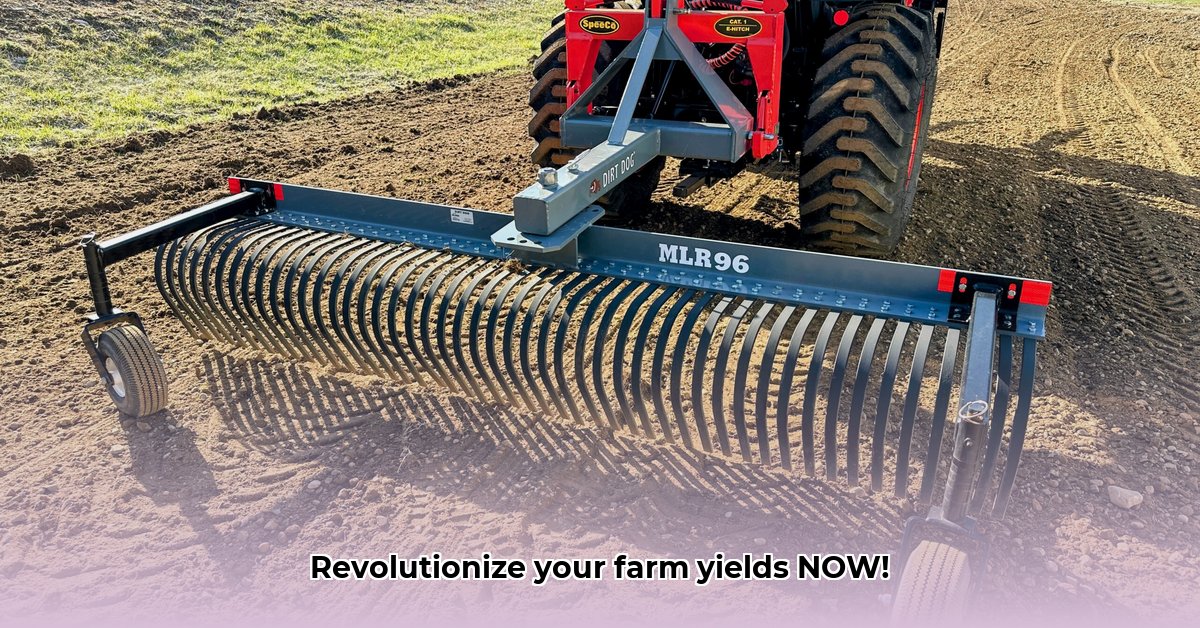
Understanding Tractor Landscape Rakes: Your Farm's Versatile Tool
Tractor landscape rakes are more than just land-clearing tools; they're versatile implements boosting farm efficiency and sustainability. Different rakes cater to various needs, from clearing heavy brush to delicately preparing seedbeds. Choosing the right rake depends on several factors, including your tractor's horsepower, the size of your farm, soil conditions, and your specific applications. Failing to consider these factors can lead to inefficiencies or even damage to your equipment. Don't underestimate the power of the right tool for the job! For more information on choosing the right rake, visit our detailed guide: Learn More.
Types of Landscape Rakes: A Closer Look
Landscape rakes come in various sizes, each designed to match specific tractor horsepower and farm size. The configuration of the rake's teeth is just as important, ranging from aggressive, strong teeth ideal for clearing heavy debris and rough terrain to finer teeth perfectly suited for preparing a smooth seedbed before planting. Materials also vary; durable steel is common, while lighter aluminum is sometimes preferred for less demanding tasks. Consider the materials used in the construction to ensure longevity and minimize waste.
Choosing the Right Rake: A Practical Guide
Selecting the optimal landscape rake involves careful consideration of several key factors. This isn't a one-size-fits-all decision; the right choice directly impacts your efficiency, and the long-term health of your land and your bottom line. Let's break it down step-by-step:
Step 1: Assess Your Needs and Farm Size. What tasks will the rake primarily perform? Land clearing? Seedbed preparation? Mulch spreading? The size of your operation dictates the necessary rake width and capacity. Larger farms often require more powerful, wider rakes.
Step 2: Match the Rake to Your Tractor Horsepower. This is critical for safety and efficiency. Overpowering a small tractor with a large rake is dangerous and inefficient, while a small rake on a powerful tractor is underutilized. Consult your tractor's specifications to determine the appropriate rake size and weight.
Step 3: Consider Your Soil Type. Heavy clay soils require robust rakes with sturdy teeth, while lighter, sandier soils may permit the use of lighter-duty models. The rake's tine configuration and material should be selected to minimize soil compaction and prevent damage to the equipment.
Step 4: Prioritize Durability and Ease of Maintenance. A durable rake with readily replaceable parts minimizes downtime and prolongs its lifespan, reducing waste and maximizing return on investment. Consider material choice (steel vs. aluminum) and overall construction quality. Long-term cost effectiveness is as important as initial purchase price.
Step 5: Evaluate Sustainability Factors. Locally-made rakes often reduce transportation emissions and support local economies. Consider the entire lifecycle of the equipment, including its potential for repair and eventual recycling or disposal. Does the manufacturer emphasize sustainable manufacturing practices? This careful attention to environmental impact significantly contributes to your farm's overall sustainability.
Effective Rake Operation and Maintenance: Maximizing Lifespan and Efficiency
Proper operation and regular maintenance are paramount to extending the life of your landscape rake and ensuring efficient operation. Neglecting these aspects leads to premature wear, costly repairs, and ultimately, increased waste.
Safe Operating Procedures:
- Secure Attachment: Always ensure the rake is securely attached to the tractor according to the manufacturer's instructions before commencing operations. Improper attachment can lead to accidents or damage to the equipment.
- Speed Control: Adjust the operating speed to match the terrain and task. Slower speeds are appropriate for delicate work like seedbed preparation, while faster speeds are suitable for rough land clearing. Excessive speed increases wear and tear on the rake and can cause damage to the soil.
- Preventative Maintenance: Regularly inspect all moving parts for signs of wear or damage. Lubricate moving parts as needed. Clean the rake thoroughly after each use in preparing it for storage. Proper storage prevents rust and damage.
Sustainability Considerations: Farming Responsibly
Using a tractor landscape rake promotes sustainable farming practices. Efficient land preparation improves soil health, leading to better crop yields and a reduction in the need for chemical inputs. Reduced reliance on manual labor decreases energy consumption and environmental impact. Employing sustainable practices throughout the rake's lifecycle contributes significantly to a farm's environmental footprint.
Environmental Impact of Rake Selection
Choosing a sustainably-manufactured rake is key. Consider factors such as material sourcing, manufacturing processes, and the potential for repair and recycling at the end of the rake's useful life. "Made in the USA" rakes often have a smaller carbon footprint due to shorter shipping distances. Opting for a durable, long-lasting rake also reduces the long-term environmental impact compared to frequent replacements.
Case Studies: Real-World Results
Farmers who have adopted tractor landscape rakes report significant increases in efficiency and improved soil health. One farmer, John Miller of Miller Farms in Iowa, reported a 40% reduction in land preparation time after switching to a heavy-duty landscape rake, allowing him to plant earlier and increase his yields. Another, Sarah Chen of Chen Family Orchards in California, noted improved soil aeration and reduced compaction, leading to healthier plants and higher fruit production. These real-world examples highlight the benefits of strategic equipment investment.
Investing in Your Farm's Future: The Bottom Line
Investing in a quality tractor landscape rake is a strategic decision that boosts efficiency, promotes sustainability, and ultimately increases profitability. It’s an investment in your farm’s future, maximizing your yields and minimizing your impact on the environment. The initial cost is offset by long-term gains in efficiency and reduced labor costs. Are you ready to elevate your farm's productivity and sustainability?